
Building a new home is the perfect opportunity to integrate smart lighting from the ground up. With connected lighting systems, you can enjoy convenience, energy efficiency, and a modern aesthetic that adapts to your lifestyle. This guide explores how to plan, select, and implement intelligent lighting solutions during the construction phase, ensuring your new space is future-ready and comfortable from day one.
Whether you’re a homeowner, builder, or designer, understanding the essentials of smart lighting for new homes can help you make informed decisions that add value and flexibility. By considering automation, compatibility, and design early in the process, you’ll create a lighting environment that’s both functional and stylish.
For inspiration on integrating sleek fixtures and controls, explore our smart lighting for modern interiors resource, which highlights design-forward approaches for contemporary homes.
Why Plan Smart Lighting During Construction?
Incorporating smart lighting for new homes during the build phase offers significant advantages over retrofitting. You can:
- Pre-wire for optimal placement of switches, sensors, and hubs
- Hide cables and hardware for a clean, uncluttered look
- Ensure compatibility with other home automation systems
- Customize lighting zones and scenes for each room
- Maximize energy savings with advanced scheduling and occupancy detection
Early planning also allows you to future-proof your home, making it easier to add new features or upgrade components as technology evolves.
Key Components of a Smart Lighting System
To create a seamless connected lighting experience, consider these essential elements:
- Smart bulbs and fixtures: LED-based lights that can be dimmed, color-tuned, or scheduled via app or voice control.
- Switches and dimmers: Wall-mounted controls that work with or without a hub, allowing manual and automated operation.
- Hubs and bridges: Central devices that connect your lighting to Wi-Fi or Zigbee/Z-Wave networks for broader compatibility.
- Sensors: Motion, occupancy, and daylight sensors to automate lighting based on activity and ambient light levels.
- Voice assistants: Integration with Alexa, Google Assistant, or Apple HomeKit for hands-free control.
Choosing the right combination depends on your preferred ecosystem, budget, and the level of automation you want to achieve.
Choosing the Right Smart Lighting Ecosystem
When selecting a platform, evaluate compatibility with other smart home devices, ease of use, and long-term support. Popular options include:
- Philips Hue: Known for reliability, a wide range of bulbs, and strong third-party integration.
- Kasa Smart: Offers affordable, easy-to-install bulbs and switches with robust app control.
- Lutron Caséta: Focuses on professional-grade dimmers and switches, ideal for larger homes.
It’s wise to stick with one ecosystem for the core of your lighting, then expand with compatible accessories as needed. For a deeper dive into how personalization can enhance your experience, check out our smart lighting personalization guide.
Designing Lighting Scenes and Zones
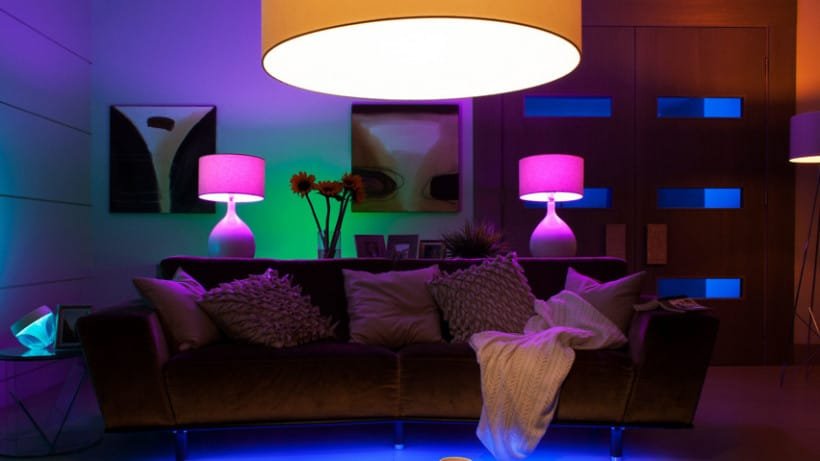
One of the main benefits of smart lighting for new homes is the ability to create customized scenes and zones. This means you can:
- Set the perfect mood for entertaining, relaxing, or working
- Automate routines like “Good Morning” or “Movie Night” with a single tap or voice command
- Control groups of lights in different rooms or areas independently
Plan your zones based on how you use each space. For example, combine kitchen, dining, and living areas into separate groups, or set up outdoor lighting to respond to sunset and motion events.
Installation Tips for New Construction
To get the most from your connected lighting system, follow these best practices during the build:
- Work closely with your electrician to plan wiring for smart switches and fixtures
- Install deep junction boxes to accommodate larger smart dimmers
- Ensure strong Wi-Fi or mesh network coverage throughout the house
- Consider centralized control panels in main living areas
- Label circuits and document your lighting plan for future reference
By addressing these details early, you’ll avoid costly changes and ensure smooth operation from day one.
Energy Efficiency and Sustainability
Modern smart lighting systems are designed to reduce energy consumption and support eco-friendly living. Features such as scheduling, occupancy sensing, and daylight harvesting help minimize waste. According to the benefits of smart lighting overview, homeowners can see significant savings on utility bills while enjoying greater comfort and control.
LED bulbs, which are standard in most smart systems, use up to 80% less energy than traditional incandescent lights and last much longer, reducing both costs and environmental impact.
Integrating Lighting with Other Smart Home Features
For a truly connected home, integrate your lighting with other automation systems such as:
- Security: Link outdoor and entryway lights to cameras and alarms for added safety
- Climate control: Coordinate lighting with thermostats to optimize comfort and efficiency
- Audio/visual: Sync lights with music or movies for immersive experiences
Many platforms allow for routines that tie together multiple devices, making daily life simpler and more enjoyable. To see how user experience is evolving, our smart lighting user experience trends article covers the latest in intuitive controls and automation.

Common Challenges and How to Avoid Them
While the benefits are clear, there are a few pitfalls to watch for when implementing smart lighting for new homes:
- Incompatible devices: Stick to one main ecosystem or ensure cross-platform compatibility
- Poor Wi-Fi coverage: Invest in mesh networks or strategically placed access points
- Complex controls: Choose user-friendly apps and consider wall switches for guests or children
- Overcomplicating scenes: Start simple and expand as you get comfortable with automation
By anticipating these issues, you’ll enjoy a smoother installation and a more satisfying user experience.
Staying Ahead with the Latest Trends
The world of connected lighting is always evolving. Current trends include:
- Minimalist fixtures that blend into modern interiors
- Adaptive lighting that changes color temperature throughout the day
- Voice-first controls and gesture-based interfaces
- Integration with wellness and circadian rhythm features
For more on blending style and function, our smart lighting design trends guide offers ideas for creating a home that’s both beautiful and intelligent.
FAQ: Smart Lighting in New Construction
What are the main benefits of installing smart lighting during a new build?
Planning for connected lighting from the start allows for cleaner installations, better integration with other systems, and more flexible control options. It also makes it easier to future-proof your home and maximize energy efficiency.
Can I mix different brands of smart lights in my new home?
Yes, but it’s best to choose devices that support common standards like Zigbee, Z-Wave, or Matter. This ensures compatibility and simplifies control. Sticking to one ecosystem for core functions can reduce complexity.
How do I ensure my smart lighting system is secure?
Use strong, unique passwords for your smart home accounts, keep device firmware updated, and secure your Wi-Fi network. Many platforms also offer two-factor authentication for added protection.
Is it possible to upgrade my system in the future?
Absolutely. By choosing open standards and planning for expansion, you can add new features or swap out devices as technology advances without major rewiring or disruption.