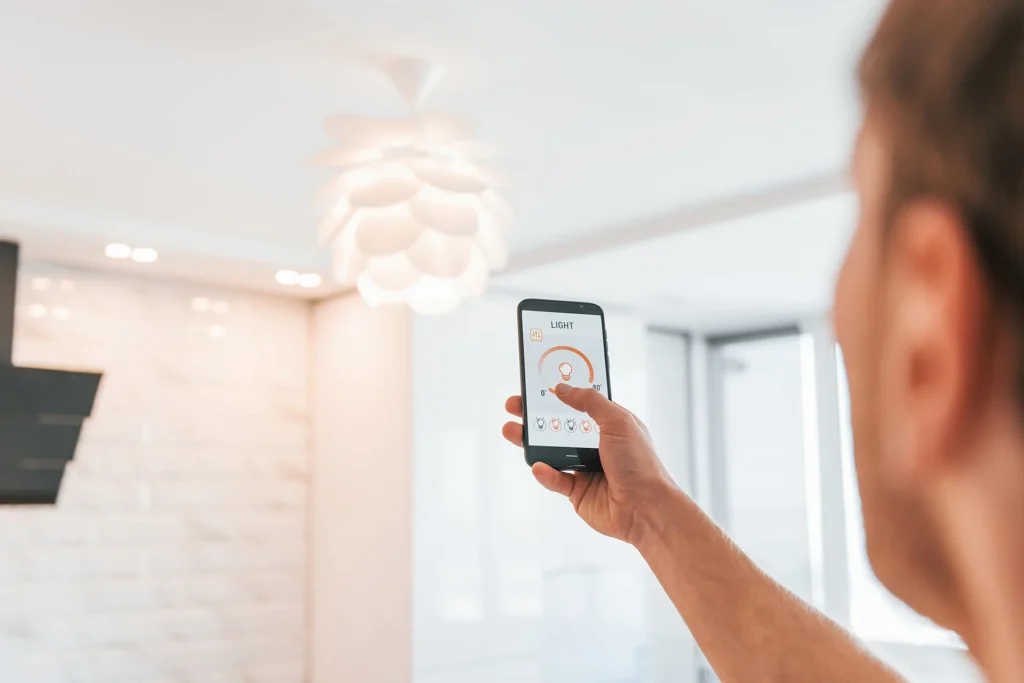
Bringing smart lighting into older homes can seem challenging, but it’s more accessible than ever. Many homeowners want the convenience, energy savings, and flexibility that modern lighting systems offer, yet worry about compatibility with existing wiring or preserving the character of their house. This guide breaks down the essentials of upgrading lighting in vintage properties, covering the basics, key considerations, and practical solutions for a seamless transformation.
Whether you’re renovating a historic property or simply want to add intelligent controls to your current setup, understanding the options for smart lighting for old houses explained will help you make informed decisions. We’ll cover how to overcome common obstacles, which products work best, and how to maintain the charm of your home while enjoying modern convenience.
For those interested in design inspiration, you can explore smart lighting for modern interiors for ideas on blending technology with style.
Why Upgrade to Smart Lighting in Older Homes?
Older houses often feature unique architectural details and traditional wiring systems. Many homeowners hesitate to upgrade, fearing that new technology might require extensive rewiring or detract from the home’s character. However, modern smart lighting solutions are designed to be flexible, often requiring minimal changes to existing infrastructure.
- Convenience: Control lights remotely, set schedules, and automate scenes for daily routines.
- Energy Efficiency: Reduce energy consumption with dimming, occupancy sensors, and adaptive lighting.
- Enhanced Security: Simulate presence when away and integrate with other smart home devices.
- Preservation: Many options allow you to keep original fixtures while upgrading the controls.
With the right approach, you can enjoy the benefits of smart technology without compromising the integrity of your home.
Understanding Wiring and Compatibility Challenges
One of the main concerns with modernizing lighting in older houses is wiring compatibility. Many homes built before the 1980s lack a neutral wire in their switch boxes, which some smart switches require. However, there are several workarounds and product options:
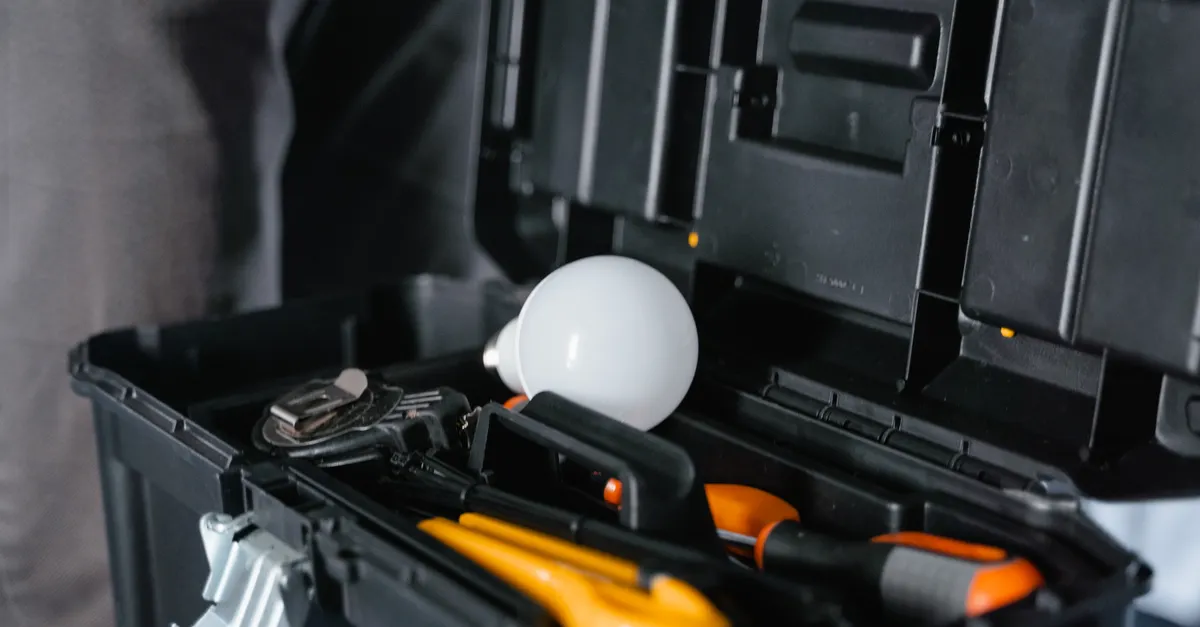
- Smart Bulbs: These replace standard bulbs and work with existing fixtures, requiring no changes to wiring.
- Battery-Powered Switches: Wireless switches can be mounted anywhere, offering control without electrical work.
- No-Neutral Smart Switches: Some brands offer switches designed for older wiring setups.
- Plug-In Modules: For lamps and plug-in fixtures, smart plugs offer easy control.
Before purchasing, check the wiring behind your switches or consult an electrician. Many manufacturers provide compatibility guides, making it easier to choose the right solution for your home.

Choosing the Right Smart Lighting Products for Vintage Homes
When selecting products for smart lighting in historic properties, consider the following factors:
- Fixture Compatibility: Choose bulbs and switches that fit your existing fixtures. Many smart bulbs come in standard shapes and sizes.
- Control Methods: Decide if you want app-based, voice, or physical switch control. Many systems support all three.
- Hub Requirements: Some smart lighting systems require a hub (like Philips Hue), while others connect directly to Wi-Fi (like Kasa).
- Color and Dimming: Look for features such as adjustable color temperature and dimming for added ambiance.
- Integration: Consider compatibility with other smart home devices or platforms you already use.
For more on personalization and tailored setups, the smart lighting personalization guide offers in-depth advice.
Installation Tips: Making the Upgrade Smooth
Upgrading to smart lighting in older homes doesn’t have to be disruptive. Here are some practical tips to ensure a smooth installation:
- Start Small: Begin with a single room or fixture to test compatibility and features.
- Use Smart Bulbs for Easy Wins: These are the simplest to install and require no changes to wiring or switches.
- Label Everything: As you add more devices, label bulbs and switches in your app for easy identification.
- Secure Your Network: Use strong passwords and keep firmware updated to protect your smart devices.
- Preserve Aesthetics: Choose products with classic designs or those that can be hidden to maintain your home’s original look.
Many users find that integrating smart lighting with other home automation features, such as thermostats or security systems, adds even more value and convenience.

Benefits of Smart Lighting in Older Properties
Adopting intelligent lighting solutions in vintage homes brings several advantages:
- Energy Savings: Automated schedules and dimming reduce electricity use.
- Comfort and Accessibility: Voice and remote controls make lighting easier for everyone, especially in multi-story homes.
- Security: Timed lighting and remote access help deter intruders.
- Preservation of Character: Many systems allow you to keep original fixtures, blending old and new seamlessly.
For more information on the broader benefits, see this comprehensive overview of smart lighting benefits.
Common Pitfalls and How to Avoid Them
While upgrading, some homeowners encounter issues such as:
- Incompatible Switches: Not all smart switches work with old wiring. Always check product requirements.
- Wi-Fi Dead Zones: Thick walls in older homes can block signals. Consider mesh Wi-Fi or Zigbee/Z-Wave systems for better coverage.
- Overloading Circuits: Avoid connecting too many devices to a single circuit, especially in homes with older electrical systems.
- Complexity: Start simple and expand gradually to avoid confusion and frustration.
Learning from others’ experiences and consulting guides like smart lighting design trends can help you avoid these pitfalls and achieve a successful upgrade.
FAQ: Smart Lighting in Older Homes
Can I install smart lighting if my house has old wiring?
Yes, many smart bulbs and some switches are designed to work with older wiring. Smart bulbs require no changes to wiring, while certain switches are made for homes without a neutral wire. Always check compatibility before purchasing.
Will smart lighting affect the look of my vintage fixtures?
Most smart bulbs fit standard sockets and can be used in existing fixtures. There are also smart switches and dimmers with classic designs to blend with traditional decor, allowing you to maintain your home’s original character.
Do I need a hub for smart lighting in my old house?
It depends on the products you choose. Some systems, like Philips Hue, require a hub, while others, such as Kasa, connect directly to Wi-Fi. Consider your preferences for control and integration with other devices when selecting a system.
Conclusion: Bringing Modern Lighting to Classic Homes
Modernizing lighting in older houses is both practical and rewarding. With a variety of products designed for compatibility and ease of use, you can enjoy the convenience, efficiency, and security of smart lighting without sacrificing the unique charm of your home. Start with simple upgrades, expand as you gain confidence, and take advantage of resources like the latest trends in smart lighting user experience to make the most of your investment. With careful planning and the right products, your vintage property can shine brighter and smarter than ever.