Securing your home goes beyond locks and alarms. Today, smart lighting for home security is one of the most effective and accessible ways to deter unwanted visitors. By automating and customizing your lighting, you can make your home look occupied even when you’re away, reducing the risk of break-ins. This guide explores how intelligent lighting solutions can enhance your security, the best practices for setup, and how to choose the right products for your needs.
Whether you’re new to smart technology or looking to upgrade your existing system, understanding the benefits and strategies of automated lighting is essential. We’ll also highlight how these systems integrate with other smart devices, and provide practical tips for maximizing their deterrent effect. If you’re interested in creating the perfect ambiance as well as boosting security, you might also want to check out our smart lighting mood lighting guide for more inspiration.
Why Smart Lighting Is a Powerful Security Tool
Traditional outdoor lights can only do so much. With smart lighting for home security, you gain the ability to control, schedule, and automate your lights from anywhere. This flexibility allows you to:
- Simulate occupancy by turning lights on and off at random or scheduled intervals, making it appear as if someone is home.
- Respond to motion with instant illumination, startling potential intruders and alerting neighbors.
- Integrate with other smart devices such as cameras or alarms, creating a unified security ecosystem.
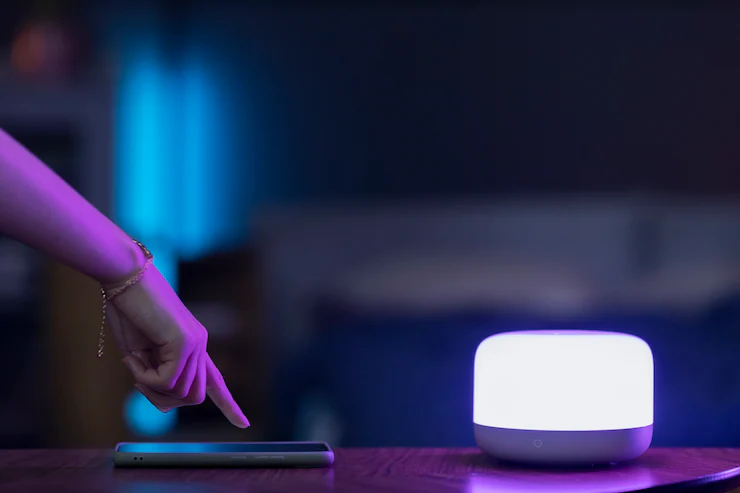
- Control remotely via smartphone apps, voice assistants, or automation routines.
According to a comprehensive overview of smart lighting technology, these systems are designed to be both energy-efficient and highly customizable, making them ideal for modern security needs.
Key Features to Look for in Security-Focused Smart Lights
When selecting smart lighting for security, certain features stand out as especially valuable. Here are the most important ones to consider:
- Motion Detection: Lights that activate when movement is detected can surprise trespassers and draw attention to suspicious activity.
- Remote Access: The ability to control your lights from anywhere ensures you can respond to unexpected situations, even when traveling.
- Scheduling and Automation: Set routines that mimic your usual habits, such as turning lights on at dusk and off at bedtime.
- Integration with Security Systems: Choose lights that work seamlessly with cameras, alarms, or smart home hubs for coordinated protection.
- Adjustable Brightness and Color: Some smart bulbs allow you to change brightness or color, which can be used to simulate different activities or moods in your home. For more on this, see our smart lighting brightness levels guide.
Best Practices for Using Automated Lighting to Deter Intruders
To maximize the effectiveness of your smart lighting setup, consider the following strategies:
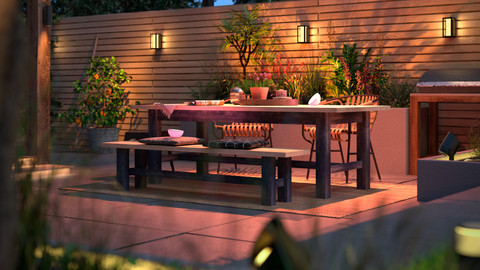
- Install Lights at Key Entry Points: Focus on doors, windows, driveways, and dark corners where intruders might approach.
- Use Randomized Schedules: Avoid predictable patterns by setting your lights to turn on and off at varying times. Many smart lighting apps offer this feature.
- Combine Motion Sensors with Timers: Motion-activated lights can be paired with scheduled routines for comprehensive coverage.
- Integrate with Voice Assistants: Use voice commands to control your lights or set up routines that activate when you leave or arrive home.
- Leverage Color and Brightness: Adjust lighting to mimic normal household activities, such as dimming lights in the evening or using brighter settings during the day. For more on color options, visit our smart lighting color changing guide.
Popular Smart Lighting Options for Enhanced Security
When choosing products, look for reputable brands known for reliability and integration. Here are two popular options:
- Philips Hue: Offers a wide range of bulbs, outdoor lights, and accessories. Compatible with most smart home platforms and features robust automation options.
- Kasa Smart: Known for affordable, easy-to-install bulbs and switches. Many models include motion detection and scheduling features.
Both options can be controlled via smartphone apps, voice assistants, and can integrate with other smart home devices for a cohesive security solution.
Integrating Smart Lighting with Other Security Measures
While automated lighting is a strong deterrent on its own, its effectiveness increases when combined with other security tools. Consider these integrations:
- Security Cameras: Trigger lights to turn on when cameras detect movement, improving visibility and recording quality.
- Alarms and Sensors: Link your lights to alarms or door/window sensors so they flash or turn on when a breach is detected.
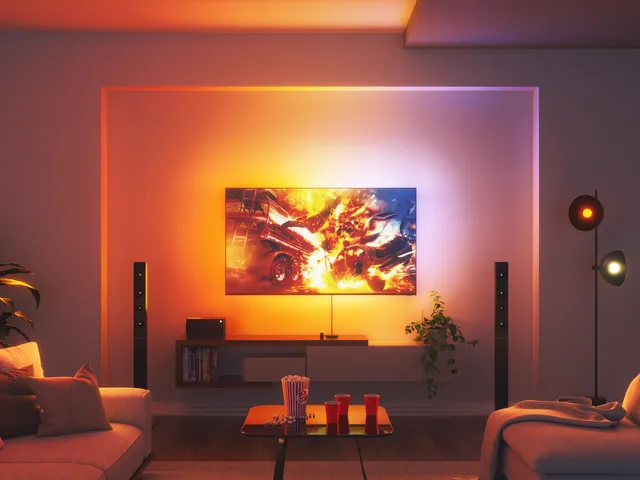
- Smart Home Hubs: Use platforms like Google Home, Amazon Alexa, or Apple HomeKit to create routines that coordinate lighting with other devices.
For those interested in advanced lighting controls, our smart lighting dimming explained article covers how smooth dimming can be part of a layered security approach.
Common Mistakes to Avoid with Security Lighting
Even the best technology can fall short if not used properly. Avoid these pitfalls:
- Leaving Lights On Constantly: A home with lights that never turn off can signal to intruders that no one is home.
- Ignoring Blind Spots: Ensure all vulnerable areas are covered, not just main entrances.
- Overcomplicating Automation: Start simple and gradually add complexity as you become comfortable with your system.
- Neglecting Maintenance: Regularly check bulbs and sensors to ensure they’re functioning correctly.
FAQ: Smart Lighting and Home Security
Can smart lights really prevent burglaries?
While no system can guarantee complete prevention, automated lighting is proven to reduce the likelihood of break-ins by making a home appear occupied and by startling intruders with sudden illumination.
Do I need a smart home hub to use security lighting?
Many smart lights work independently via Wi-Fi and mobile apps, but a hub can provide more advanced automation and integration with other devices.
How do I choose between white and color-changing bulbs for security?
White bulbs are generally sufficient for security, but color-changing options can add flexibility for simulating different activities or moods. For a detailed comparison, see our smart lighting white vs rgb explained resource.
Are smart lights energy efficient?
Yes, most smart bulbs use LED technology, which is highly energy-efficient. Automation also helps reduce unnecessary usage.
Conclusion
Adding smart lighting for home security is a practical and effective way to protect your property. By choosing the right products, setting up intelligent routines, and integrating with other security devices, you can create a safer and more responsive home environment. Explore the latest options and start building a system that fits your lifestyle and security needs.