Integrating smart lighting for modern interiors is transforming the way we approach home design and functionality. With advances in connected lighting, homeowners can now blend aesthetics with technology, creating spaces that are both beautiful and highly adaptable. Whether you’re upgrading a single room or planning a whole-home renovation, understanding how to use intelligent lighting solutions can help you achieve a modern, streamlined look while improving daily comfort and efficiency.
In this guide, we’ll explore the latest trends, practical tips, and design strategies for incorporating smart lighting into contemporary spaces. From minimalist fixtures to customizable ambiance, discover how to make your home both stylish and future-ready. For those living in compact spaces, the smart lighting for small homes guide offers additional insights on maximizing light and space.
Why Choose Smart Lighting for Contemporary Homes?
Modern interiors emphasize simplicity, flexibility, and seamless integration of technology. Smart lighting systems align perfectly with these principles, offering features that go far beyond traditional switches and bulbs. Here’s why more homeowners are making the switch:
- Personalized Ambiance: Adjust color temperature and brightness to suit any mood or activity, from energizing mornings to cozy evenings.
- Energy Efficiency: Automated schedules and occupancy sensors help reduce energy waste, lowering utility bills and environmental impact.
- Convenience: Control lights remotely via smartphone apps, voice assistants, or even automated routines.
- Minimalist Aesthetics: Many smart fixtures feature sleek, low-profile designs that complement modern décor.
For those interested in the latest trends, the smart lighting design trends resource highlights how technology and style are merging in today’s homes.
Design Strategies for Seamless Integration
When planning to incorporate smart lighting for modern interiors, consider both the technical and visual aspects. Here are some design strategies to achieve a cohesive and sophisticated look:
1. Layered Lighting for Depth and Flexibility
Layering light sources—such as recessed ceiling lights, wall sconces, and accent lamps—creates a dynamic environment. Smart controls allow you to adjust each layer independently, tailoring the atmosphere for different activities. For example, dim overhead lights for movie nights while keeping task lighting bright in reading areas.
2. Minimalist Fixtures and Hidden Hardware
Choose fixtures with clean lines and neutral finishes to maintain a clutter-free appearance. Many smart lighting products are designed to be unobtrusive, with slim profiles and concealed wiring. This approach keeps the focus on your furnishings and architectural features rather than the technology itself.
3. Accent Lighting to Highlight Architectural Features
Use smart LED strips or spotlights to draw attention to artwork, shelving, or unique structural elements. These solutions can be programmed for color-changing effects or subtle white tones, enhancing the visual interest of your space without overwhelming it.
4. Adaptive Lighting for Health and Wellbeing
Many modern lighting systems offer circadian rhythm support, automatically adjusting color temperature throughout the day. Cooler tones in the morning can boost alertness, while warmer hues in the evening promote relaxation. This feature not only supports wellbeing but also adds a thoughtful, high-end touch to your home environment.
Popular Smart Lighting Solutions for Modern Spaces
The market offers a wide range of smart lighting products suitable for every room and design preference. Here are some popular options to consider:
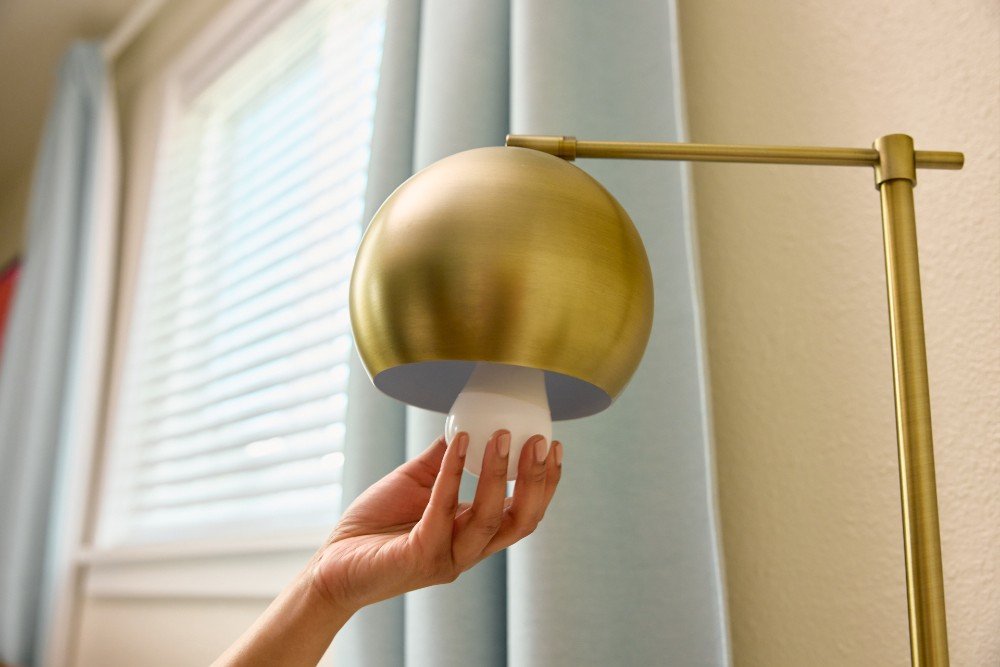
- Smart Bulbs: Easy to install and compatible with most fixtures, these bulbs offer color and brightness control via app or voice.
- Smart Switches and Dimmers: Replace traditional wall switches for seamless integration with your existing lights, enabling remote and automated control.
- LED Light Strips: Flexible and versatile, perfect for under-cabinet, cove, or accent lighting.
- Integrated Smart Fixtures: Modern pendant lights, chandeliers, and sconces with built-in connectivity for a streamlined look.
For renters or those seeking non-permanent solutions, the smart lighting for apartments guide provides rent-friendly tips for upgrading your space without major renovations.
Tips for a Cohesive and Functional Lighting Plan
To get the most out of your smart lighting setup, follow these practical tips:
- Plan Zones: Divide your home into lighting zones (living, dining, bedroom, etc.) for easier control and automation.
- Use Scenes: Pre-set lighting scenes for common activities like entertaining, relaxing, or working from home.
- Integrate with Smart Home Systems: Connect lighting to your voice assistant or home automation hub for hands-free operation and advanced routines.
- Prioritize Quality: Invest in reputable brands to ensure reliability, color accuracy, and long-term support.
- Stay Updated: Explore resources like the smart lighting user experience trends to keep up with new features and simpler controls.

Installation and Setup: What to Expect
Most smart lighting products are designed for easy installation, often requiring little more than swapping out bulbs or switches. However, for integrated fixtures or whole-home systems, you may want to consult a professional electrician. Key steps include:
- Ensuring compatibility with your home’s wiring and Wi-Fi network
- Downloading the manufacturer’s app for setup and control
- Connecting devices to your preferred smart home ecosystem (e.g., Alexa, Google Assistant, Apple HomeKit)
- Configuring automations, schedules, and scenes to match your lifestyle
For a deeper dive into tailored lighting setups, the smart lighting personalization guide covers how to create custom experiences for every member of your household.
Future-Proofing Your Home with Connected Lighting
Investing in smart lighting is about more than just convenience—it’s a step toward a more adaptable, sustainable, and enjoyable living environment. As technology continues to evolve, expect even greater integration with other smart devices, improved energy management, and features that enhance both comfort and security.
If you’re considering an upgrade, learn more about upgrading to smart lighting for a comprehensive overview of benefits and best practices.
Frequently Asked Questions
What are the main benefits of using smart lighting in a modern home?
Smart lighting offers flexible control, energy savings, and the ability to customize ambiance to suit your needs. It also supports minimalist design by reducing the need for multiple switches and visible hardware.
Can I install smart lighting myself, or do I need a professional?
Many smart bulbs and plug-in devices are designed for easy DIY installation. However, for integrated fixtures or if you’re replacing hardwired switches, consulting a qualified electrician is recommended for safety and optimal performance.
Will smart lighting work with my existing smart home devices?
Most leading smart lighting systems are compatible with popular platforms like Alexa, Google Assistant, and Apple HomeKit. Always check product specifications to ensure seamless integration with your current setup.