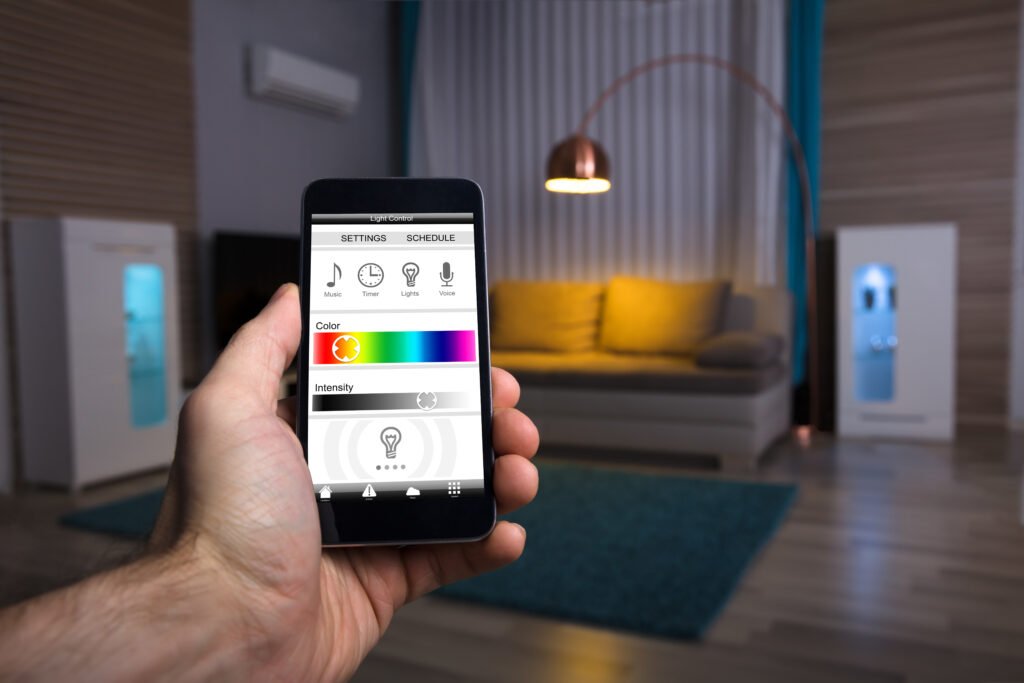
As smart homes become more common, the ability for devices to communicate seamlessly is a top priority for homeowners and businesses alike. Smart lighting interoperability explained is a topic that addresses how different lighting systems, brands, and platforms can work together without friction. This article breaks down what interoperability means in the context of smart lighting, why it matters, and how you can ensure your lighting setup is both flexible and future-proof.
Whether you’re planning a new installation or looking to upgrade your existing system, understanding how devices interact is crucial. Interoperability not only impacts convenience but also affects the long-term value and usability of your investment. For those considering a new setup, reviewing smart lighting installation considerations early in the process can help you avoid common pitfalls and ensure your devices will work together as intended.
What Is Interoperability in Smart Lighting?
Interoperability refers to the ability of different smart lighting products and platforms to communicate, share data, and function together reliably. In practice, this means you can control lights from multiple brands using a single app, voice assistant, or automation system. It also means your lighting can interact with other smart home devices, such as sensors, switches, and security systems, regardless of manufacturer.
Achieving this level of compatibility requires adherence to common standards, protocols, and APIs. Some of the most widely used communication protocols in smart lighting include:
- Zigbee – An open standard used by brands like Philips Hue and IKEA TRÅDFRI.
- Z-Wave – Popular for its reliability and mesh networking capabilities.
- Wi-Fi – Used by many plug-and-play bulbs and switches, such as Kasa Smart.
- Bluetooth – Often found in entry-level or portable smart lights.
- Thread – A newer protocol designed for low-power, secure, and scalable networks.
When devices use the same protocol, interoperability is usually straightforward. However, many homes contain products from different ecosystems, which can complicate integration.
Why Interoperability Matters for Smart Lighting
Choosing lighting products that work well together has several practical benefits:
- Simplified control: Manage all your lights from a single interface, reducing app clutter and confusion.
- Flexible automation: Create routines and scenes that involve multiple brands or device types.
- Future-proofing: Add or replace products over time without worrying about compatibility issues.
- Cost savings: Avoid being locked into a single brand or ecosystem, which can limit options and increase costs.
For a deeper look at the advantages of connected lighting, see this overview of smart lighting benefits from Countfire.
Common Barriers to Seamless Integration
Despite the promise of universal compatibility, several challenges can hinder interoperability:
- Proprietary ecosystems: Some brands restrict features or integrations to their own products, making cross-brand setups difficult.
- Protocol mismatches: Devices using different communication standards may require additional hubs or bridges.
- Software fragmentation: Not all apps or platforms support every device, leading to inconsistent user experiences.
- Firmware and update issues: Outdated software can break integrations or prevent new devices from connecting.
To avoid these issues, it’s important to research compatibility before purchasing and to keep your devices updated.

How Standards Like Matter and Zigbee Improve Compatibility
Industry standards play a vital role in making smart lighting devices work together. The introduction of Matter, a new open-source standard backed by major tech companies, aims to unify the smart home ecosystem. Matter is designed to allow devices from different brands to communicate securely and reliably, regardless of the underlying protocol.
Zigbee has long been a popular choice for lighting due to its low power consumption and robust mesh networking. Many well-known brands, such as Philips Hue, support Zigbee, making it easier to mix and match products within the same network.
When shopping for new lighting, look for products labeled as “Matter-compatible” or “Zigbee-certified” to maximize your chances of smooth integration. These standards help ensure that your investment will remain compatible as your needs evolve.
Practical Tips for Building an Interoperable Smart Lighting Setup
To get the most out of your connected lighting, consider these practical steps:
- Plan your system: Before buying, make a list of the rooms and functions you want to automate. Consider reading the smart lighting installation considerations guide for tips on planning and placement.
- Choose a central platform: Platforms like Apple HomeKit, Google Home, or Amazon Alexa can act as a bridge between different brands and protocols.
- Prioritize standards: Select devices that support open standards like Matter or Zigbee for the best chance of long-term compatibility.
- Keep firmware updated: Regularly update your devices to ensure ongoing compatibility and security.
- Test before expanding: Start with a small setup and add more devices as you confirm they work well together.
Real-World Examples of Interoperable Lighting
Many homeowners successfully combine products from different brands to create flexible, powerful lighting systems. For example, it’s common to see Philips Hue bulbs working alongside Kasa Smart switches, all controlled through a single voice assistant or app. This flexibility allows users to choose the best product for each room or function without being locked into a single brand.
For more on what affects the performance and reliability of your setup, see the smart lighting performance factors article.
Key Considerations for Future-Proof Smart Lighting
As technology evolves, so do the standards and protocols that enable devices to work together. To ensure your lighting system remains compatible and easy to upgrade, keep these points in mind:
- Look for upgradable hardware: Devices with over-the-air update capability can adapt to new standards as they emerge.
- Monitor industry trends: Stay informed about new protocols and certifications, such as Matter, that promise broader compatibility.
- Document your setup: Keep a record of device models, firmware versions, and network configurations to simplify troubleshooting and expansion.
- Consult expert resources: Use guides like the smart lighting glossary terms to familiarize yourself with essential vocabulary and concepts.
Frequently Asked Questions
What does interoperability mean for smart lighting?
Interoperability in this context refers to the ability of different lighting devices, brands, and platforms to work together seamlessly. This allows users to control multiple products from a single interface and create automations that span across various manufacturers.
How can I ensure my smart lights will work with future devices?
To maximize future compatibility, choose products that support open standards like Matter or Zigbee, keep firmware updated, and use a central platform such as Google Home, Apple HomeKit, or Amazon Alexa for integration.
Are there any downsides to mixing brands in a smart lighting system?
While mixing brands can increase flexibility, it may also introduce complexity if devices use different protocols or require separate apps. Using a unified platform and prioritizing standards-based products can help minimize these challenges.
Conclusion
Understanding smart lighting interoperability explained is essential for anyone looking to build a flexible, reliable, and future-ready lighting system. By focusing on open standards, planning ahead, and staying informed about industry developments, you can enjoy the benefits of a truly connected home without unnecessary headaches. For more guidance on setting realistic expectations, visit the smart lighting expectations guide and explore how long your devices are likely to last in the smart lighting lifespan explained article.