Making the switch to smart lighting is one of the most effective ways to reduce energy consumption at home while enjoying greater convenience and comfort. This energy efficiency smart lighting guide explores how modern lighting technology can help you cut electricity costs, lower your environmental impact, and create a more adaptive living space. Whether you’re just starting to explore smart home upgrades or looking to optimize your current setup, understanding the benefits and best practices of energy-saving lighting is key to greener living.
Smart lighting systems offer more than just remote control—they enable automation, scheduling, and adaptive brightness, all of which contribute to significant energy savings. By integrating these solutions, you can tailor your home’s illumination to your lifestyle and reduce unnecessary power usage. For those interested in enhancing ambiance as well as efficiency, the smart lighting scenes setup guide provides additional tips on creating the perfect atmosphere while staying eco-friendly.
Why Choose Smart Lighting for Energy Efficiency?
Traditional incandescent and halogen bulbs are notorious for wasting energy as heat. In contrast, smart LED bulbs use a fraction of the electricity and last much longer. But the real advantage of intelligent lighting lies in its ability to adapt to your needs. Features like motion sensors, dimming, and remote scheduling ensure that lights are only on when and where they’re needed.
According to recent studies, homes that adopt smart lighting can reduce their lighting-related energy use by up to 50%. This is achieved not just through efficient bulbs, but by leveraging automation and connectivity. For a deeper dive into how these technologies are transforming spaces, see this overview of LED smart lighting’s impact on organizations.
Key Features of Energy-Saving Smart Lighting Systems
When evaluating options for a more sustainable home, consider the following features that maximize both convenience and energy savings:
- LED Technology: Modern smart bulbs use LEDs, which are up to 80% more efficient than traditional bulbs.
- Scheduling and Automation: Set lights to turn on and off automatically based on time of day, occupancy, or even sunrise and sunset.
- Motion and Occupancy Sensors: Lights activate only when someone is present, eliminating wasted energy in empty rooms.
- Dimming Capabilities: Adjust brightness to suit activities, reducing energy use when full illumination isn’t necessary.
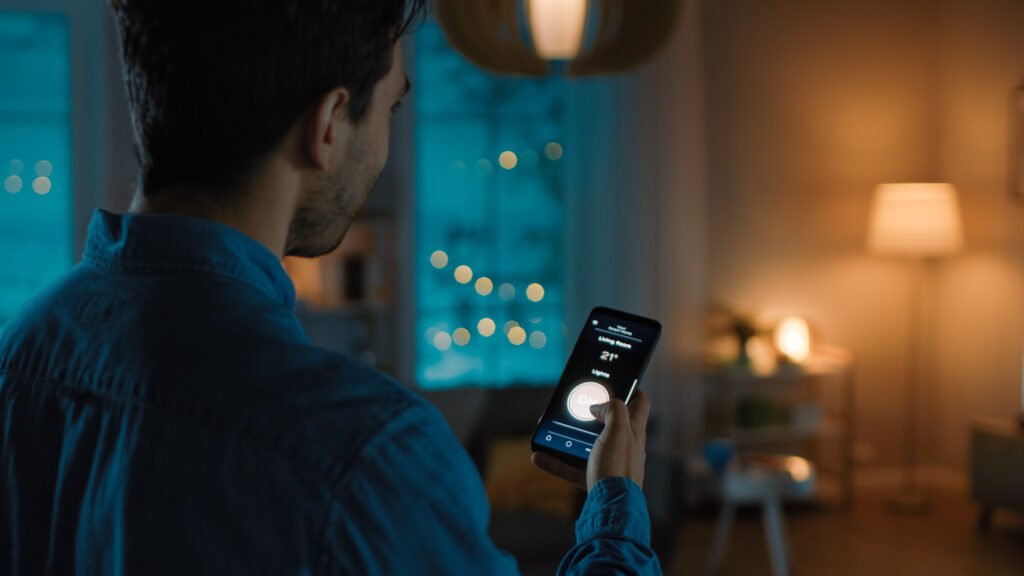
- Remote and Voice Control: Manage lighting from your phone or with voice assistants, ensuring you never leave lights on by accident.
For those new to these concepts, the smart lighting and smart home basics article provides a helpful introduction to integrating these systems seamlessly.
How to Set Up a Greener Smart Lighting System
Getting started with energy-saving lighting is straightforward. Here’s a step-by-step approach to help you maximize efficiency and comfort:
- Audit Your Current Lighting: Identify which rooms use the most energy and where lights are often left on unnecessarily.
- Choose Compatible Smart Bulbs: Select LED smart bulbs that fit your fixtures and support your preferred ecosystem (e.g., Alexa, Google Home, Apple HomeKit).
- Install Smart Switches or Plugs: For fixtures that can’t use smart bulbs, smart switches or plugs offer similar control and automation.
- Set Up Schedules and Scenes: Use your smart home app to create routines that match your daily habits. For inspiration, check out these smart lighting automation ideas for simplifying your routine.
- Integrate Sensors: Add motion or occupancy sensors in hallways, bathrooms, and closets to ensure lights are only on when needed.
- Monitor and Adjust: Use built-in energy monitoring features to track usage and fine-tune your settings for optimal savings.
Maximizing Savings with Automation and Voice Control
One of the standout benefits of smart lighting is the ability to automate routines and control lights hands-free. By setting up routines—such as turning off all lights at bedtime or dimming living room lights for movie night—you can ensure that energy is never wasted. Voice assistants further simplify control, making it easy to adjust lighting without reaching for a switch.
For more details on setting up hands-free illumination, the smart lighting voice control guide covers the essentials of integrating voice commands into your system.

Best Practices for Sustainable Lighting
To get the most out of your smart lighting investment, keep these best practices in mind:
- Use Scenes for Efficiency: Group lights by activity (reading, relaxing, entertaining) and set default brightness levels to avoid over-illumination.
- Leverage Natural Light: Automate lights to dim or turn off during daylight hours, taking advantage of sunlight to reduce energy use.
- Regularly Review Schedules: Adjust routines seasonally or as your habits change to ensure continued savings.
- Educate Household Members: Make sure everyone knows how to use the system and why it’s important for sustainability.
If you’re interested in automating more aspects of your home, smart lighting routines explained offers practical tips for building a fully automated, energy-conscious environment.
Common Mistakes to Avoid
While smart lighting is straightforward, there are a few pitfalls to watch out for:
- Overcomplicating Automation: Too many routines or conflicting schedules can make the system confusing and less efficient.
- Ignoring Compatibility: Always check that bulbs, switches, and hubs are compatible with your chosen platform.
- Neglecting Manual Overrides: Ensure wall switches remain functional for guests or in case of connectivity issues.
- Forgetting Firmware Updates: Keep devices updated for security, reliability, and access to new energy-saving features.
FAQ: Smart Lighting and Energy Efficiency
How much energy can I save by switching to smart lighting?
Most households can expect to reduce lighting-related energy consumption by 30–50% when upgrading from traditional bulbs to smart LEDs and using automation features. Actual savings depend on usage patterns and the extent of automation implemented.
Are smart bulbs difficult to install?
Installation is generally simple—most smart bulbs screw into standard sockets and connect via Wi-Fi or Bluetooth. Setup is guided through a smartphone app, and no special wiring is required for basic systems.
Can smart lighting improve home security?
Yes, many systems allow you to schedule lights to turn on and off while you’re away, simulating occupancy and deterring intruders. Motion-activated outdoor lights also enhance security while saving energy.
Conclusion
Adopting smart lighting is a practical step toward a more energy-efficient and sustainable home. By combining efficient LED technology with automation, scheduling, and adaptive controls, you can significantly reduce your environmental footprint and utility bills. Explore additional resources and guides to make the most of your smart home journey, and remember that even small changes in lighting habits can have a big impact over time.