Smart lighting technology is rapidly transforming the way homes and businesses manage energy consumption. By leveraging automation, sensors, and intelligent controls, these systems offer a practical path to lower electricity bills and a smaller environmental impact. Understanding how smart lighting saves energy can help you make informed decisions about upgrading your lighting and contribute to a more sustainable future.
Whether you’re interested in cutting costs, reducing your carbon footprint, or simply enjoying the convenience of modern automation, smart lighting offers a compelling solution. In this article, we’ll break down the main features, benefits, and strategies for maximizing efficiency with intelligent lighting systems. For those new to the concept, you can learn more about the basics in this smart lighting and smart home basics guide.
Understanding the Technology Behind Energy-Efficient Smart Lighting
At its core, smart lighting uses connected bulbs, switches, and sensors that can be controlled remotely or automatically. Unlike traditional lighting, these systems adapt to your routines and preferences, ensuring lights are only on when needed. This adaptability is a key reason energy savings with smart lighting are so significant.
- LED Bulbs: Most smart lights use LEDs, which consume up to 75% less energy than incandescent bulbs and last much longer.
- Motion and Occupancy Sensors: These detect movement and automatically turn lights on or off, preventing waste in unoccupied rooms.
- Dimming Features: Adjustable brightness lets you use only as much light as necessary, further reducing consumption.
- Scheduling and Automation: Set lights to follow your daily routine or adjust automatically based on sunrise and sunset.
For a deeper dive into customizing your lighting experience, check out this smart lighting scenes setup guide for tips on creating the perfect ambiance while saving energy.
Key Ways Smart Lighting Reduces Energy Consumption
Let’s look at the main strategies that make intelligent lighting systems so effective at cutting energy use:
Automated Schedules and Timers
One of the most practical features is the ability to program lights to turn on or off at specific times. For example, you can set exterior lights to operate only after dark or have bedroom lights gradually dim at bedtime. This reduces unnecessary usage and ensures lights aren’t left on by accident.
Occupancy and Vacancy Sensing
Rooms like bathrooms, hallways, and garages often have lights left on unintentionally. Smart sensors detect when a space is empty and automatically switch off the lights, eliminating waste. This is a simple but powerful way to achieve consistent savings without changing your habits.
Adaptive Dimming and Daylight Harvesting
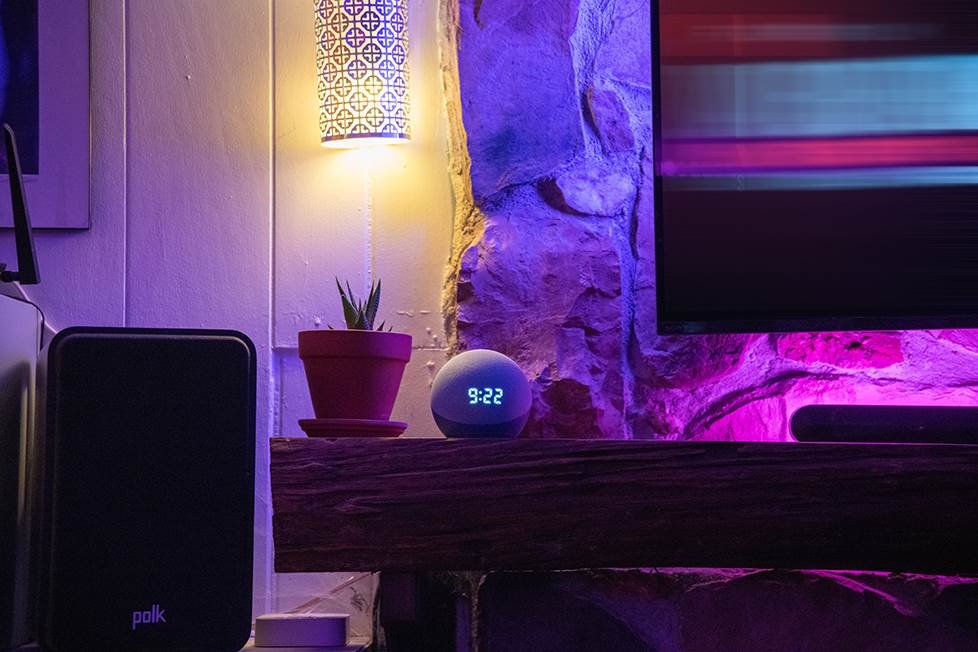
Many smart systems can adjust brightness based on available natural light. If sunlight is streaming through your windows, the lights automatically dim or switch off, taking advantage of free daylight. This process, known as daylight harvesting, is especially effective in offices and open-plan homes.
Remote and Voice Control
With smartphone apps or voice assistants, you can control your lighting from anywhere. Forgot to turn off the kitchen lights before leaving? Simply tap your phone or use a voice command to switch them off remotely. For more on hands-free options, see this smart lighting voice control guide.
Environmental Impact: Lowering Your Carbon Footprint
Reducing electricity use with smart lighting doesn’t just save money—it also means less demand on power plants and fewer greenhouse gas emissions. Since lighting accounts for about 15% of an average home’s electricity use, even modest improvements can have a noticeable effect on your overall environmental impact.
By combining efficient LED bulbs with intelligent controls, you can cut lighting-related energy use by up to 50% or more. This translates directly to a smaller carbon footprint and a positive contribution to sustainability goals.
Practical Tips for Maximizing Savings with Smart Lighting
To get the most out of your investment, consider these practical strategies:
- Replace All Major Fixtures: Swap out frequently used lights first—living rooms, kitchens, and outdoor areas offer the biggest savings.
- Use Group Controls: Set up zones or scenes to control multiple lights at once, making it easier to manage usage throughout your home.
- Monitor Usage: Many systems provide energy reports, helping you identify patterns and adjust settings for greater efficiency.
- Integrate with Other Smart Devices: Connect lights to thermostats, security systems, or routines for even more automation and savings. For more ideas, explore this smart lighting automation ideas resource.
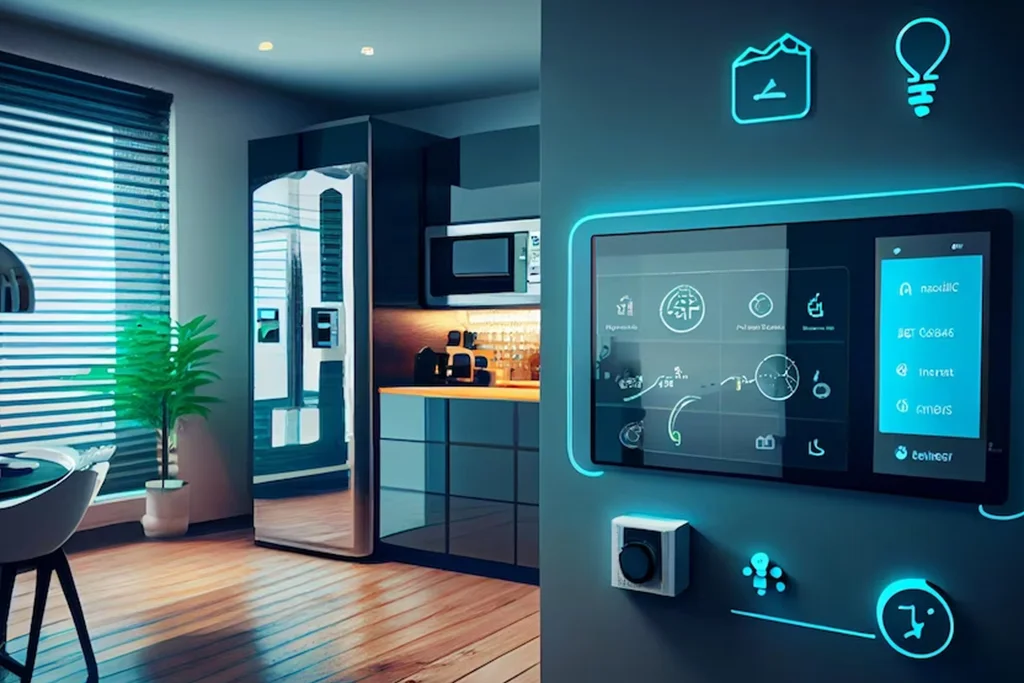
Comparing Traditional and Smart Lighting: Energy and Cost Benefits
| Feature | Traditional Lighting | Smart Lighting |
|---|---|---|
| Bulb Type | Incandescent, CFL | LED (high efficiency) |
| Control | Manual switches | Remote, voice, automation |
| Energy Use | Higher | Lower (up to 75% less) |
| Lifespan | 1,000–8,000 hours | 15,000–25,000 hours |
| Automation | None | Schedules, sensors, routines |
| Cost Savings | Minimal | Significant over time |
This comparison highlights why upgrading to smart lighting is a smart investment for both your wallet and the environment.
Choosing and Setting Up Your Smart Lighting System
When selecting a system, consider compatibility with your existing devices, ease of installation, and the features most important to you. Popular brands like Philips Hue and Kasa offer starter kits that are easy to set up and expand. Look for options with robust app support, reliable connectivity, and integration with your preferred smart home platform.
For step-by-step help with routines and automation, the smart lighting routines explained article provides practical tips for getting started.
Additional Resources and Expert Insights
For a comprehensive overview of the technology, benefits, and real-world applications, see this detailed guide to smart lighting. Staying informed will help you make the most of your investment and maximize your energy savings.
Frequently Asked Questions
How much energy can I realistically save with smart lighting?
Most households can reduce lighting-related energy use by 30–50% by switching to smart, automated systems. The exact savings depend on your current habits, the number of fixtures upgraded, and how effectively you use features like scheduling and sensors.
Are smart lighting systems difficult to install?
Many modern smart bulbs and switches are designed for easy, DIY installation. Most simply replace your existing bulbs and connect to your Wi-Fi network via a mobile app. More advanced setups may require a hub or bridge, but starter kits are user-friendly and come with clear instructions.
Can smart lighting help with home security?
Yes, smart lights can be programmed to mimic occupancy when you’re away, deterring potential intruders. You can also integrate lighting with security systems or set up routines that turn lights on automatically when motion is detected outside your home.