Living independently in arid regions presents a unique set of challenges and rewards. For those drawn to off-grid homesteading in deserts, understanding the environment and preparing for its extremes is essential. From managing scarce water resources to building shelter that withstands intense heat, desert homesteaders must adapt their strategies for survival and sustainability.
Whether you’re planning a move to a remote desert or seeking to make your existing homestead more resilient, this guide covers practical advice for thriving in these harsh landscapes. For those interested in broader preparedness, you may also find value in our resource on off-grid medical preparedness, which offers insights relevant to remote living.
Understanding Desert Environments for Off-Grid Living
The first step to successful off-grid homesteading in deserts is recognizing the characteristics of these regions. Deserts are defined by low rainfall, high evaporation rates, and dramatic temperature swings between day and night. These factors influence every aspect of daily life, from water collection to food production.
- Temperature Extremes: Daytime heat can soar above 100°F (38°C), while nights may become surprisingly cold.
- Limited Water: Rainfall is infrequent and unpredictable, making water conservation and storage critical.
- Poor Soil: Sandy or rocky terrain often lacks nutrients, requiring creative gardening solutions.
- Wind and Sun: Intense sun exposure and strong winds can damage crops and structures if not properly managed.
Water Sourcing and Conservation Strategies
Water is the most precious resource for anyone living off the grid in arid climates. Securing a reliable supply and minimizing waste are top priorities.
Harvesting and Storing Water
Rainwater harvesting is a common approach, but due to infrequent rain, storage capacity must be maximized. Install large cisterns or tanks to capture every drop from roofs and other surfaces. Consider using multiple barrels to separate potable water from irrigation supplies.
For those with access to groundwater, a well with a manual or solar pump can provide additional security. However, always test water quality before consumption, as desert aquifers may contain high mineral content.
Efficient Water Use
- Utilize drip irrigation systems for gardens to minimize evaporation.
- Mulch garden beds heavily to retain soil moisture.
- Recycle greywater from sinks and showers for landscaping or flushing toilets.
- Choose drought-tolerant plants and native species for landscaping and food production.
Building Shelter Suited for Arid Climates
Constructing a home that keeps cool during the day and warm at night is vital. Traditional desert architecture offers valuable lessons for modern homesteaders.
- Thick Walls: Use materials like adobe, cob, or earthbags to provide thermal mass, which helps regulate indoor temperatures.
- Small Windows: Limit window size and use deep overhangs or awnings to reduce heat gain.
- Natural Ventilation: Design for cross-breezes and include ventilation openings near the roof to release hot air.
- Reflective Roofs: Light-colored or reflective roofing materials can deflect solar radiation.
For those interested in integrating technology, consider exploring smart tech for off-grid homes to enhance comfort and efficiency.
Food Production and Gardening in Dry Regions
Growing food in the desert requires adapting to poor soil and extreme weather. Raised beds, container gardens, and hydroponics are popular solutions. Raised beds, in particular, allow for better control over soil quality and moisture retention.
- Amend soil with compost, manure, and organic matter to improve fertility.
- Install shade cloths to protect sensitive crops from midday sun.
- Grow heat-tolerant vegetables such as okra, peppers, eggplant, and sweet potatoes.
- Consider perennial crops and native edible plants for long-term resilience.
For more ideas on adapting food systems to unique climates, take a look at our article on tropical off-grid homesteading, which shares tips that can be tailored for arid environments.
Livestock and Animal Care in Arid Homesteads
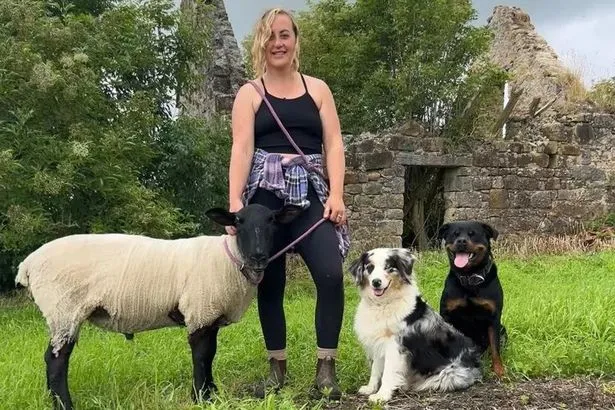
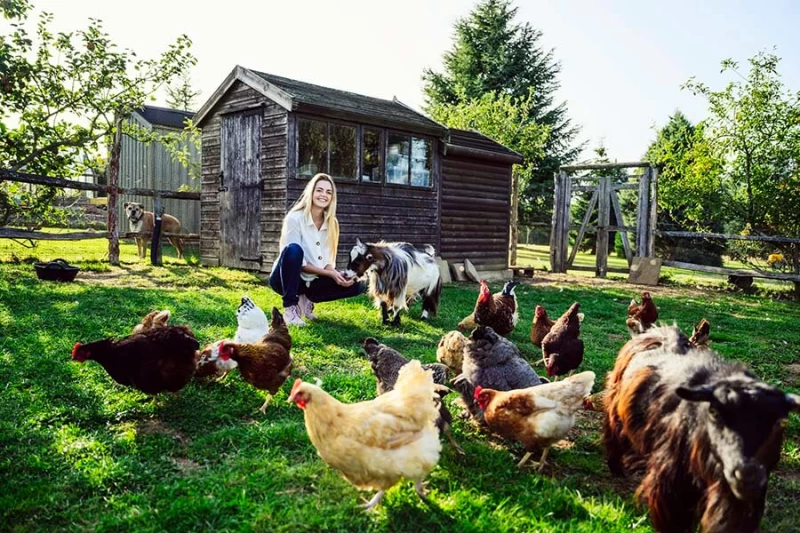
Raising animals in the desert is possible with careful planning. Choose breeds known for heat tolerance and low water requirements. Chickens, goats, and certain heritage breeds of sheep and cattle can thrive if provided with adequate shade and water.
- Build shaded shelters and ensure constant access to clean water.
- Feed animals early in the morning or late in the evening to avoid heat stress.
- Monitor for signs of dehydration or overheating, especially during heat waves.
- Use automatic watering systems to reduce labor and ensure reliability.
Energy Solutions for Desert Homesteads
Solar power is a natural fit for desert living, offering abundant sunlight for most of the year. Install photovoltaic panels on rooftops or ground mounts, and pair them with battery storage for nighttime use. Wind turbines can supplement energy needs if your location experiences regular breezes.
To maximize efficiency, use energy-saving appliances and LED lighting. Insulate your home well to reduce cooling demands, and consider solar ovens or rocket stoves for cooking.
Community, Security, and Emergency Preparedness
Isolation can be both a benefit and a challenge for desert homesteaders. Building relationships with neighbors, even if they live miles away, can provide mutual support during emergencies. Establish communication plans and share resources when possible.
Security is another consideration. Fencing, motion-activated lights, and secure storage for tools and supplies help prevent theft and protect livestock. For comprehensive strategies, see our disaster preparedness off-grid guide.
Medical emergencies require special attention in remote areas. Stock a well-equipped first aid kit, learn basic medical skills, and maintain a list of emergency contacts. For more detailed advice, refer to off-grid medical preparedness.
Learning from Experienced Desert Homesteaders
Many successful off-grid desert dwellers share their knowledge through blogs, forums, and workshops. Connecting with these communities can provide practical insights and moral support. For a comprehensive overview of starting your own remote homestead, the Preparedness Mama off-grid homestead guide is a valuable resource.
Frequently Asked Questions
What are the biggest challenges of living off the grid in deserts?
The most significant obstacles include sourcing enough water, dealing with extreme temperatures, and growing food in poor soil. Careful planning and adaptation are essential for overcoming these hurdles.
How can I make my desert homestead more sustainable?
Focus on water conservation, use renewable energy, grow drought-resistant crops, and build with natural materials. Incorporating modern off-grid homesteading solutions can also increase efficiency and comfort.
Is it possible to raise livestock in arid environments?
Yes, but it requires choosing the right breeds, providing ample shade and water, and monitoring animals closely for signs of heat stress or dehydration.
Where can I find more resources on off-grid living?
Explore our articles on modern off-grid homesteading and tropical off-grid homesteading for more tips and inspiration.