
Understanding how light affects our bodies is crucial for achieving restful sleep and maintaining overall well-being. The relationship between artificial lighting and our internal biological clock, known as the circadian rhythm, has become a focal point in modern home technology. With the rise of smart lighting systems, homeowners now have powerful tools to support healthier sleep patterns and daily routines. In this article, you’ll discover how intelligent lighting solutions can help align your environment with your body’s natural rhythms, leading to improved sleep and greater energy throughout the day.
Whether you’re curious about the science behind circadian rhythms or looking for practical ways to optimize your home’s lighting, this guide will break down the essentials. We’ll also explore how to integrate these technologies into your living space and highlight the benefits of using adaptive lighting for better rest and productivity. For those interested in enhancing home security or ambiance, you may also want to check out our smart lighting for home security guide for additional insights.
How Circadian Rhythms Influence Sleep and Health
The circadian rhythm is a natural, internal process that regulates the sleep-wake cycle and repeats roughly every 24 hours. This biological clock is influenced primarily by light, especially the blue wavelengths found in daylight. When exposed to natural or artificial light, our brains receive signals that help determine when we feel alert or sleepy.
During the day, exposure to bright, cool-toned light suppresses the production of melatonin, a hormone that promotes sleep. As evening approaches and light levels decrease, melatonin levels rise, preparing the body for rest. Disruptions to this cycle—such as exposure to bright or blue light at night—can interfere with sleep quality, mood, and even metabolic health.
Modern lifestyles often involve extended screen time and artificial lighting, which can throw off our natural rhythms. This is where smart lighting solutions come into play, offering ways to mimic the natural progression of sunlight indoors.
Smart Lighting and Circadian Rhythm: The Science Behind Adaptive Illumination
Smart lighting systems are designed to adjust color temperature and brightness automatically throughout the day, supporting your body’s natural cycles. By simulating the changing qualities of sunlight, these systems help reinforce healthy sleep patterns and daytime alertness.
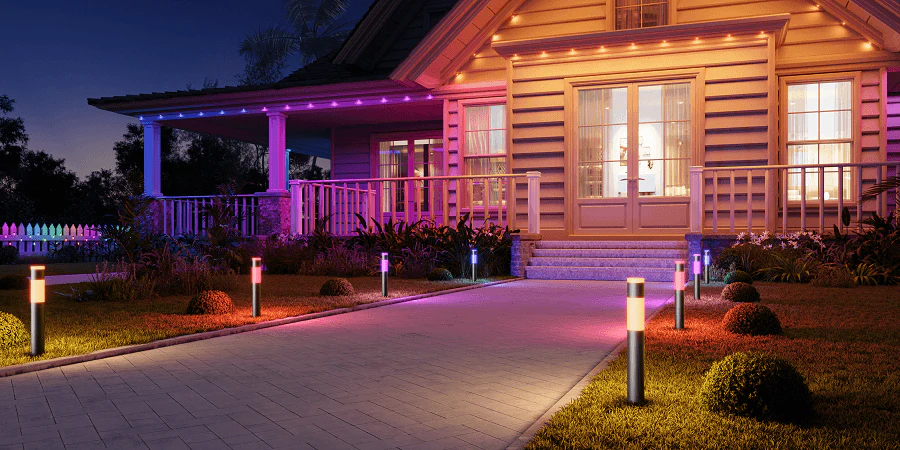
Key features of these systems include:
- Dynamic color temperature: Lights can shift from cool, energizing tones in the morning to warm, relaxing hues in the evening.
- Automated schedules: Set routines that match your daily habits, ensuring your lighting supports your sleep-wake cycle.
- Integration with other smart devices: Sync lighting with alarms, thermostats, or even your favorite music for a holistic approach to wellness.
For a deeper dive into the benefits and technical aspects of these systems, you can read this comprehensive overview of smart lighting and its advantages.
Benefits of Using Smart Lighting for Sleep and Daily Performance
Adopting adaptive lighting in your home can have a significant impact on your sleep quality and overall health. Here are some of the most important benefits:
- Improved sleep onset and quality: By reducing blue light exposure in the evening, smart bulbs help your body produce melatonin naturally, making it easier to fall asleep and stay asleep.
- Enhanced morning alertness: Gradual increases in light intensity and cooler tones in the morning can help you wake up feeling refreshed and energized.
- Better mood and productivity: Proper lighting supports mental clarity and emotional well-being, especially for those working from home or spending extended periods indoors.
- Personalized routines: Tailor your lighting to your unique schedule, whether you’re an early riser or a night owl.
Smart lighting also offers flexibility for other uses. For example, you can use smart lighting ambiance tips to create the perfect atmosphere for relaxation or entertaining guests.
Setting Up Your Home for Circadian-Friendly Lighting
Getting started with adaptive lighting is easier than ever. Here’s how to make the most of these technologies in your home:
- Choose the right bulbs: Look for bulbs that offer adjustable color temperature and brightness. Popular options include Philips Hue and Kasa Smart Light, both of which are compatible with major smart home platforms.
- Install in key areas: Focus on spaces where you spend the most time in the morning and evening, such as bedrooms, living rooms, and kitchens.
- Set up schedules: Use your smart home app to create routines that match your daily activities. For example, program lights to gradually dim as bedtime approaches.
- Experiment and adjust: Everyone’s rhythm is unique. Test different settings to find what works best for your sleep and lifestyle needs.

For those interested in more advanced customization, consider exploring smart lighting color changing guide for tips on personalizing your space with different hues and effects.
Tips for Maximizing the Benefits of Adaptive Lighting
To get the most out of your smart lighting setup, keep these practical tips in mind:
- Limit blue light in the evening: Set your lights to shift to warmer tones after sunset to help your body wind down.
- Use gradual transitions: Sudden changes in brightness can be jarring. Schedule lights to fade in and out smoothly for a more natural experience.
- Sync with your routine: Align lighting changes with your typical wake-up and bedtime hours for optimal results.
- Combine with other wellness habits: Pair adaptive lighting with good sleep hygiene, such as limiting screen time before bed and keeping your bedroom cool and quiet.
For more on fine-tuning your lighting environment, see our smart lighting brightness levels guide for expert advice on mastering lumens and intensity.
Common Questions About Smart Lighting and Circadian Health
How does smart lighting support natural sleep cycles?
By automatically adjusting color temperature and brightness to mimic the sun’s natural progression, smart lighting helps regulate melatonin production and supports healthy sleep-wake patterns.
Can I use smart bulbs with my existing fixtures?
Most adaptive bulbs are designed to fit standard sockets and can be controlled via smartphone apps or voice assistants, making integration with existing fixtures straightforward.
Is adaptive lighting only useful for bedrooms?
While bedrooms are a primary focus, installing smart lighting in living rooms, kitchens, and home offices can also improve alertness, mood, and productivity throughout the day.
Conclusion
Aligning your home’s lighting with your body’s natural rhythms is a practical and effective way to improve sleep, boost daytime energy, and enhance overall well-being. With the latest advances in smart lighting technology, it’s easier than ever to create a supportive environment tailored to your unique needs. Whether you’re looking to optimize your sleep, personalize your space, or simply enjoy greater comfort at home, adaptive lighting offers a flexible and science-backed solution.
For further reading on dimming options and smooth control, visit our smart lighting dimming explained article. Investing in your lighting is an investment in your health—start making small changes today and experience the difference restful nights and energized mornings can make.