Being ready for unexpected events at home is more important than ever. Power outages, severe weather, or even security threats can leave you in the dark—literally and figuratively. Smart lighting for emergency situations offers a proactive way to keep your household safe, visible, and connected when it matters most. These advanced lighting systems go far beyond traditional bulbs, providing automated responses, remote control, and crucial backup features during critical moments.
In this guide, you’ll discover how intelligent lighting solutions can help you respond quickly to emergencies, maintain visibility, and even deter threats. We’ll explore the key features, practical benefits, and real-world applications of these systems, so you can make informed choices for your home. For those interested in broader safety strategies, you can also learn more about smart lighting automation for safety to further secure your family.

Why Intelligent Lighting Matters in Emergencies
When disaster strikes, every second counts. Smart lighting for emergency situations can automatically illuminate escape routes, alert household members, and even communicate with other smart devices. Unlike standard lights, these systems can be programmed to react instantly to triggers such as power loss, smoke alarms, or motion detection.
Key advantages include:
- Automatic activation: Lights turn on when sensors detect movement or a sudden loss of power.
- Remote control: Manage your lighting from anywhere using a smartphone app or voice assistant.
- Customizable alerts: Set lights to flash, change color, or brighten in response to specific emergencies.
- Integration with other systems: Sync lighting with security alarms, cameras, or smart locks for a coordinated response.
For a deeper dive into the benefits and technology behind these solutions, check out this comprehensive overview of smart lighting and its advantages.
Essential Features of Emergency-Ready Smart Lighting
Not all smart bulbs and fixtures are created equal. When choosing lighting for emergency preparedness, look for features that enhance reliability and responsiveness:
- Battery backup: Ensures lights stay on during power outages.
- Motion sensors: Automatically activate lights when movement is detected, helping guide people to safety.
- Wireless connectivity: Allows for remote control and integration with other smart home devices.
- Color-changing capabilities: Use red or flashing lights to signal danger or guide occupants.
- Scheduling and automation: Pre-set routines for night-time illumination or emergency scenarios.
Systems like Philips Hue and Kasa Smart Light offer many of these features, making them strong options for homes seeking reliable emergency lighting.
How Automated Lighting Responds to Power Outages
One of the most common emergencies at home is a sudden blackout. With emergency smart lighting, you don’t have to scramble for flashlights or candles. Many modern systems include bulbs with built-in batteries that automatically switch on when the main power supply fails. This ensures hallways, staircases, and exits remain visible, reducing the risk of accidents.
Some setups can even send notifications to your phone or trigger other devices, like security cameras, to start recording. This level of automation provides peace of mind and helps you stay in control, even if you’re not at home.
Integrating Lighting with Home Security and Safety Systems
A major benefit of smart lighting for emergency situations is its ability to work alongside other home safety technologies. For example, you can link your lighting to smoke detectors, carbon monoxide alarms, or motion sensors. If a threat is detected, the lights can flash or change color to alert everyone in the house.
This integration can also deter intruders. Sudden, bright illumination or randomized lighting patterns can make it appear as if someone is home, discouraging break-ins. For more on this, see our guide to smart lighting outdoor security tips for maximum safety.
Choosing and Setting Up Your Emergency-Ready Lighting
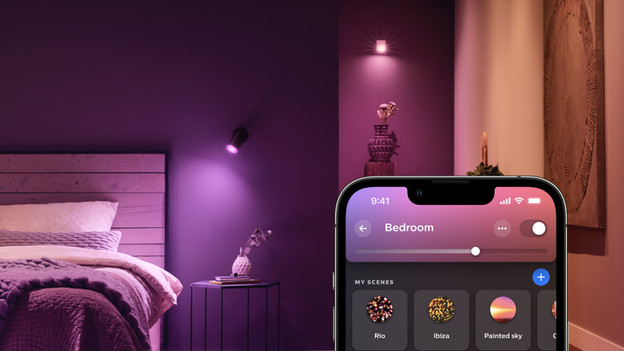
Selecting the right system depends on your home’s layout, existing infrastructure, and specific needs. Here are some steps to guide your setup:
- Assess critical areas: Identify hallways, staircases, exits, and rooms that must remain lit during emergencies.
- Choose compatible devices: Ensure bulbs, switches, and hubs work together and support backup power.
- Integrate with sensors: Connect lighting to smoke, motion, or security sensors for automated responses.
- Test routines: Regularly simulate emergencies to confirm that lights activate as intended.
- Maintain batteries: Replace or recharge backup batteries as needed to guarantee reliability.
For those interested in more advanced automation, our article on smart lighting motion detection explained covers how reactive technology can further enhance your setup.
Beyond Emergencies: Everyday Benefits of Smart Lighting
While the focus here is on preparedness, these lighting solutions offer daily convenience and efficiency. Features like scheduling, dimming, and voice control make them valuable additions to any home. They can help save energy, improve comfort, and even simulate presence when you’re away, as detailed in our smart lighting presence simulation guide.
Additionally, the safety advantages extend beyond emergencies. Learn more about the broader benefits in our overview of smart lighting safety advantages.
Frequently Asked Questions
How does smart lighting help during a power outage?
Many modern smart bulbs include built-in batteries that automatically switch on when the main power is lost. This ensures that key areas of your home remain illuminated, helping you move safely and avoid accidents until power is restored.
Can smart lights be integrated with other emergency systems?
Absolutely. Smart lighting can connect with smoke detectors, motion sensors, and security alarms. When these devices detect a problem, your lights can flash, change color, or turn on automatically to alert everyone and guide them to safety.
What should I look for in a smart lighting system for emergencies?
Key features include battery backup, motion sensors, wireless connectivity, and compatibility with other smart devices. It’s also important to choose systems that allow for automation and remote control, so you can manage your lighting even when away from home.
Are these systems difficult to install?
Most smart lighting products are designed for easy installation, often requiring just a Wi-Fi connection and a compatible app. For more complex integrations, such as linking to security systems, you may want to consult a professional or follow detailed setup guides from the manufacturer.
Do smart lights use a lot of energy?
No, most smart bulbs are LED-based and highly energy-efficient. They often use less power than traditional bulbs and can be programmed to turn off automatically when not needed, further reducing energy consumption.