Adopting smart lighting sustainability benefits is an effective way to make homes more environmentally friendly while also saving on energy costs. As more homeowners seek solutions that reduce their carbon footprint and support greener living, intelligent lighting systems have emerged as a practical and accessible option. These systems not only optimize energy use but also offer convenience, comfort, and long-term savings.
In this article, we’ll explore how smart lighting contributes to a sustainable lifestyle, the key advantages for eco-conscious households, and practical steps for integrating these technologies. For those interested in maximizing savings, the smart lighting for reducing electricity bills guide offers additional strategies.
How Smart Lighting Supports Sustainable Living
Smart lighting systems are designed to use energy more efficiently than traditional lighting. By leveraging sensors, automation, and remote controls, these systems ensure that lights are only on when needed and at the right brightness. This targeted approach to illumination helps reduce unnecessary energy consumption, which is a core aspect of sustainable living.
Many smart bulbs use LED technology, which is inherently more energy-efficient and longer-lasting than incandescent or halogen bulbs. LEDs consume up to 80% less electricity and can last for years, reducing both energy use and waste from frequent bulb replacements.
For a deeper dive into optimizing your home’s lighting ecosystem, the smart lighting ecosystem guide provides comprehensive advice on building a connected, efficient home.
Key Smart Lighting Sustainability Benefits for Homes
Understanding the main advantages of intelligent lighting helps homeowners make informed decisions about upgrading their systems. Here are some of the most impactful benefits:
- Reduced Energy Consumption: Automated schedules, occupancy sensors, and adaptive brightness settings ensure that lights are only used when necessary, minimizing wasted electricity.
- Lower Carbon Footprint: By consuming less energy, smart lighting directly contributes to lower greenhouse gas emissions, supporting broader environmental goals.
- Longer Lifespan of Bulbs: Smart LEDs last significantly longer than traditional bulbs, resulting in less frequent replacements and reduced landfill waste.
- Integration with Renewable Energy: Many smart lighting systems can be integrated with solar panels or home energy management platforms, allowing homeowners to maximize the use of renewable resources.
- Enhanced User Control: Remote access and automation features empower users to manage their lighting from anywhere, ensuring optimal use and further energy savings.
If you want to learn more about the practical advantages of intelligent lighting, check out this overview of smart lighting benefits for additional insights.

Practical Ways to Maximize Eco-Friendly Lighting
To fully realize the environmental advantages of smart lighting, it’s important to use the available features effectively. Here are some practical strategies:
- Automated Schedules: Set lights to turn on and off based on daily routines or occupancy patterns. This prevents lights from being left on unnecessarily.
- Adaptive Brightness: Use daylight sensors or time-based dimming to adjust light intensity according to natural light levels, reducing energy use during the day.
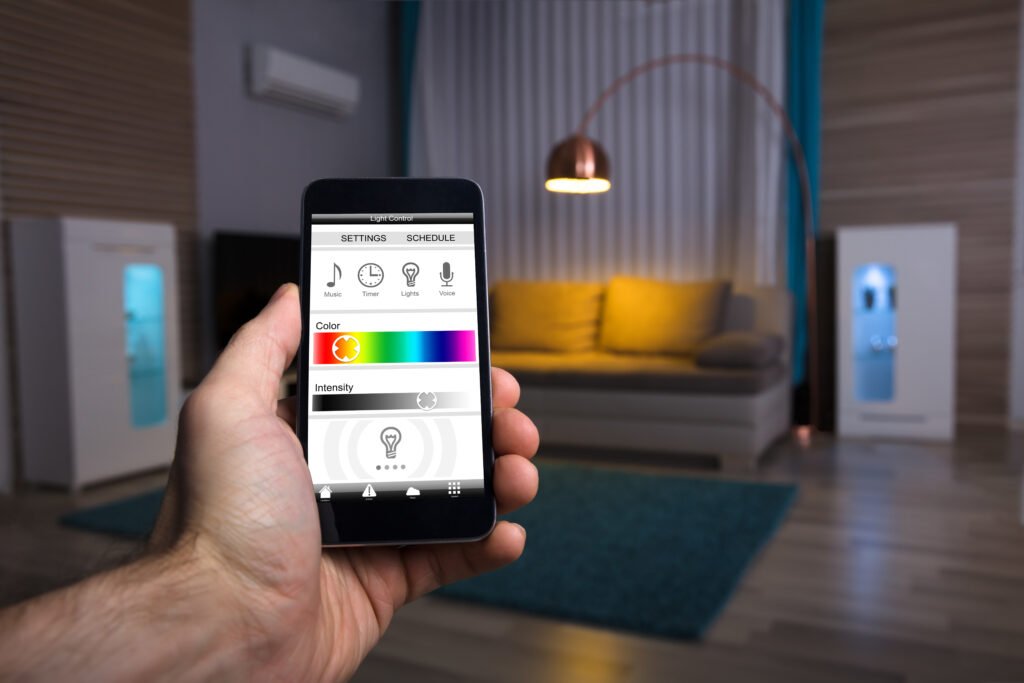
- Remote Control: Manage your lighting from a smartphone or voice assistant, ensuring lights are never left on when not needed.
- Group Controls: Control multiple lights or rooms with a single command, streamlining energy management across the home.
For more tips on optimizing your setup, the smart lighting scheduling tips article covers strategies for both convenience and safety.
Comparing Smart Lighting to Traditional Solutions
Traditional lighting systems are often inefficient, relying on manual switches and outdated bulb technology. In contrast, smart lighting offers several improvements:
- Energy Efficiency: Smart bulbs, especially LEDs, use less power and generate less heat, making them safer and more cost-effective.
- Automation: Unlike manual systems, smart lighting can be programmed to adapt to your lifestyle, reducing the chance of lights being left on accidentally.
- Customization: Users can personalize lighting scenes, colors, and schedules to suit different needs, enhancing comfort and efficiency.
For those interested in further improving their home’s energy profile, the energy efficiency smart lighting guide provides actionable advice for greener living.
Integrating Smart Lighting with Home Automation
One of the most compelling aspects of smart lighting is its compatibility with broader home automation systems. By connecting lighting to other smart devices—such as thermostats, security systems, or energy monitors—homeowners can create a seamless, energy-efficient environment.
For example, lights can be set to turn off automatically when the security system is armed or dim in response to a movie night scene. These integrations not only save energy but also enhance convenience and security.
To master the controls and features of your system, the smart lighting app features explained article is a helpful resource.
Common Challenges and How to Overcome Them
While the advantages are clear, some homeowners may encounter challenges when transitioning to smart lighting:
- Initial Investment: Smart bulbs and hubs can be more expensive upfront, but the long-term savings on energy and replacements often offset these costs.
- Compatibility: Ensuring that new smart lighting products work with existing home automation systems is crucial. Always check for compatibility with your preferred platforms.
- Learning Curve: Some users may need time to become familiar with new controls and features. Most manufacturers provide user-friendly apps and support resources.
By addressing these challenges, homeowners can enjoy the full range of smart lighting sustainability benefits while supporting a more eco-friendly lifestyle.
Frequently Asked Questions
Do smart lighting systems really save energy?
Yes, intelligent lighting systems are designed to use less energy by automating on/off schedules, adjusting brightness based on natural light, and utilizing energy-efficient LED technology. Over time, these features can significantly reduce household electricity consumption.
Are smart bulbs more sustainable than traditional bulbs?
Smart bulbs, especially those using LED technology, last much longer and use less power than incandescent or halogen bulbs. This reduces both energy use and waste, making them a more sustainable choice for homes.
Can smart lighting be integrated with renewable energy sources?
Many smart lighting systems can be connected to home energy management platforms, including those powered by solar panels. This allows homeowners to optimize the use of renewable energy and further decrease their environmental impact.
Conclusion
Embracing smart lighting is a practical step toward a more sustainable and eco-friendly home. By reducing energy consumption, lowering carbon emissions, and offering greater control, these systems provide both environmental and financial benefits. With a range of products and features available, it’s easier than ever to make the switch and support a greener future.