Lighting is a fundamental part of every home, but the way we illuminate our spaces has evolved rapidly in recent years. With the rise of connected devices, many homeowners are now considering the shift from conventional bulbs and switches to intelligent, automated solutions. Understanding the differences between smart lighting vs traditional lighting is essential for anyone looking to upgrade their home, save energy, or enhance convenience.
This article explores the core distinctions, benefits, and drawbacks of both approaches. Whether you’re a tech enthusiast or simply want reliable, efficient lighting, you’ll find practical insights here. For those just starting, our smart lighting basics for homeowners guide offers a helpful introduction to the topic.
Understanding the Basics: What Sets Smart and Traditional Lighting Apart?
At its core, traditional lighting refers to the use of standard bulbs—such as incandescent, halogen, or basic LED—controlled by manual wall switches or dimmers. These systems are straightforward, reliable, and have been the norm for decades. However, they offer limited flexibility and require physical interaction for any adjustments.
In contrast, smart lighting leverages digital technology to provide advanced control, automation, and integration with other smart home devices. These systems often use Wi-Fi, Bluetooth, Zigbee, or Z-Wave protocols, allowing users to manage lights remotely via smartphone apps, voice assistants, or programmed schedules. Some smart bulbs also offer features like color changing, dimming, and energy monitoring.
Key Features and Benefits of Smart Lighting Systems
Modern intelligent lighting solutions bring a host of advantages that go beyond simple illumination. Here are some of the most notable features:
- Remote Control: Turn lights on or off from anywhere using a mobile app or web interface.
- Voice Activation: Integrate with platforms like Amazon Alexa, Google Assistant, or Apple HomeKit for hands-free operation.
- Scheduling and Automation: Program lights to follow routines, such as turning on at sunset or off when you leave home.
- Energy Efficiency: Many smart bulbs use efficient LEDs and can help reduce electricity usage by optimizing when and how lights are used.
- Customization: Adjust brightness, color temperature, or even the color itself to suit different moods or activities.
- Integration: Connect with other smart devices—like sensors or security systems—for enhanced automation and safety.
For a deeper dive into the technology behind these features, check out our overview on smart lighting technology trends and basics.

Comparing Smart Lighting vs Traditional Lighting: Pros and Cons
| Aspect | Smart Lighting | Traditional Lighting |
|---|---|---|
| Control | Remote, app, voice, automation | Manual switch only |
| Installation | May require setup, app pairing | Simple, plug-and-play |
| Customization | Color, brightness, routines | Limited to bulb type and dimmer |
| Energy Efficiency | Often more efficient, usage tracking | Depends on bulb type |
| Cost | Higher upfront, potential savings over time | Lower initial cost |
| Integration | Works with smart home systems | Standalone only |
While traditional bulbs are affordable and easy to use, they lack the flexibility and efficiency of modern alternatives. Intelligent lighting, on the other hand, can be tailored to your lifestyle and may help reduce long-term energy costs, but requires a higher initial investment and some technical setup.
Energy Efficiency and Cost Considerations
One of the most compelling reasons to consider upgrading is the potential for energy savings. Many smart bulbs use advanced LED technology, which consumes less power than incandescent or halogen options. Additionally, features like scheduling and occupancy sensors can ensure lights are only on when needed, further reducing waste.
However, it’s important to factor in the upfront cost of smart bulbs and hubs. While prices have dropped in recent years, a full-home conversion can still be significant. Over time, the savings on electricity and the added convenience may offset these costs, especially in larger homes or for those who value automation.
For more on the practical benefits, see our article on the benefits of smart lighting for modern homes.
Installation and Ease of Use
Setting up traditional lighting is as simple as screwing in a bulb and flipping a switch. Smart solutions, meanwhile, may require pairing devices with an app, connecting to Wi-Fi or a hub, and configuring settings. While most manufacturers strive for user-friendly installation, some technical know-how can be helpful, especially for integrating with other smart home devices.
Once installed, the convenience of controlling lights from your phone or with your voice can be a game changer. Many users find that the initial setup effort is quickly outweighed by the daily convenience and flexibility provided by smart systems.
Security, Safety, and Integration with Smart Homes
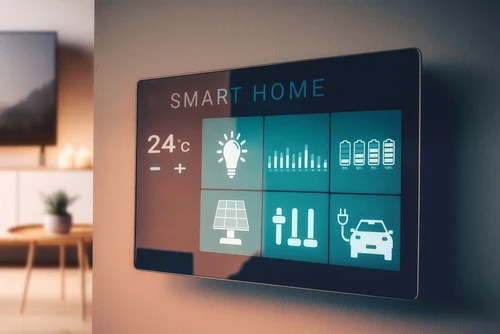
Another key advantage of intelligent lighting is its ability to integrate with other smart home systems. For example, lights can be programmed to turn on automatically when a security camera detects motion, or to simulate occupancy when you’re away on vacation. These features can enhance both safety and peace of mind.
Traditional lighting lacks these advanced capabilities, though it remains a reliable choice for those seeking simplicity. For beginners, our starter guide to smart lighting can help demystify the process of getting started with connected devices.
Environmental Impact and Sustainability
LED-based smart bulbs are generally more environmentally friendly than older incandescent or halogen lights. They last longer, use less energy, and reduce the frequency of replacements. By leveraging automation and sensors, smart solutions can further minimize unnecessary usage, contributing to a greener home.
For more insights on why these systems are gaining popularity, see seven reasons to consider smart lighting from industry experts.
Which Lighting Solution Is Right for You?
The choice between smart lighting vs traditional lighting depends on your priorities, budget, and comfort with technology. If you value convenience, customization, and potential energy savings, intelligent lighting is a compelling option. For those who prefer simplicity and minimal setup, conventional bulbs remain a solid, cost-effective choice.
As technology continues to advance, the gap between these two approaches will likely narrow, making smart solutions even more accessible and affordable for everyone.
FAQ: Common Questions About Modern Lighting Options
Do smart bulbs work with existing fixtures?
Yes, most smart bulbs are designed to fit standard sockets, making them compatible with existing lamps and fixtures. However, some advanced features may require a compatible hub or bridge.
Can smart lighting help reduce my electricity bill?
Many users see savings due to the efficiency of LED bulbs and the ability to automate when lights are on or off. Scheduling and occupancy sensors can further optimize usage and lower costs over time.
Is it difficult to install a smart lighting system?
Most systems are designed for easy installation, often requiring just a few steps in a mobile app. Some setups, especially those involving hubs or integration with other devices, may require additional configuration but are generally manageable for most homeowners.